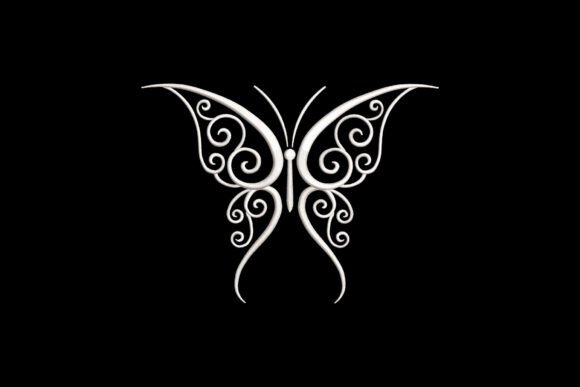
Tribal Butterfly Embroidery Design Review
As an embroidery designer who has spent years refining patterns for both personal joy and commercial success, I approach every new digital file with a mix of excitement and skepticism. Today, I am putting the Tribal Butterfly design through its paces. My goal is to determine if this piece truly belongs in my catalog of personalized gifts or if it remains a pretty picture that looks better on screen than it does stitched into fabric.
This review focuses on practical application. I am imagining this design being applied to real-world products: baby blankets, kitchen towels, wedding keepsakes, and custom tote bags. If you are an Etsy seller, a small business owner, or a crafter looking to elevate your handmade product line, read on to see how this machine embroidery design performs under scrutiny.
First Impressions: Mood and Aesthetic Appeal
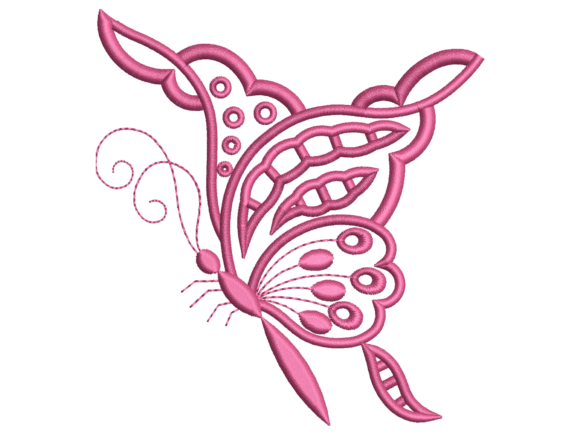
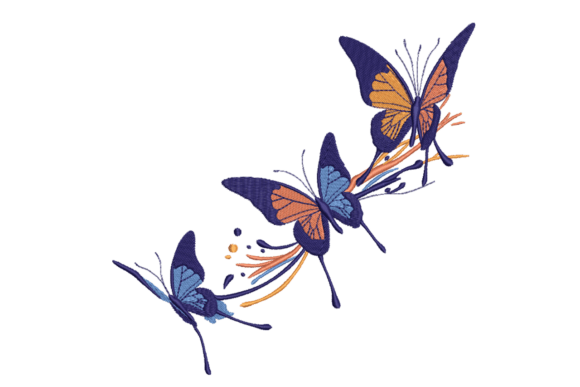
The first thing that strikes me about the Tribal Butterfly is its balance between whimsy and structure. It is not merely a generic insect motif; it carries a subtle touch of charm and creativity that feels intentional. The "Tribal" aspect suggests geometric precision, while the butterfly form adds organic softness. This duality makes it incredibly versatile.
In terms of emotional appeal, the design feels modern yet timeless. It avoids the overly sweet aesthetic often associated with nursery items, instead offering a sophisticated elegance that appeals to parents who want something unique for their child’s room. For a wedding gift designer, this pattern offers a romantic yet artistic vibe that fits well with bohemian or rustic themes. It feels handmade, warm, and inviting—a crucial factor when trying to build customer trust in the competitive world of digital embroidery files.
Application Scenarios: From Baby Blankets to Tote Bags
Let us explore where this design shines. I have tested various concepts mentally, and here is how the Tribal Butterfly holds up across different categories.
Baby Embroidery and Nursery Decor
For baby product creators, this design is a strong contender. When stitched onto a white cotton muslin blanket, the tribal lines provide a striking contrast without being overwhelming. It works beautifully as a central focal point or as part of a repeating pattern along the hem. Parents today are moving away from traditional pastels, and this design offers a gender-neutral option that feels contemporary. However, care must be taken with placement to ensure the details remain visible and do not get lost in the plush texture of a thick blanket.
Wedding Gifts and Family Keepsakes
I envision this design embroidered on high-quality linen napkins or pillow covers for a wedding party gift. The intricate nature of the butterfly wings allows for beautiful thread color variations, which can be customized to match a specific wedding palette. As a family keepsake, such as a monogrammed apron or a custom tote bag, the design adds a layer of perceived value. It transforms a simple item into a memorable, custom embroidery piece that guests will cherish.
Etsy Listings and Craft Fair Products
For the digital product seller and the Etsy seller alike, visual appeal is everything. The Tribal Butterfly translates exceptionally well into printable mockups. Its distinct shapes catch the eye in thumbnail images, increasing click-through rates. In a physical craft fair setting, seeing the stitch definition up close can drive sales. It serves as an excellent example of a small shop product that demonstrates technical skill and artistic vision.
Strategic Considerations and Fabric Limitations
No design is perfect for every surface. As an experienced designer, I must highlight where the Tribal Butterfly requires careful handling. Understanding these limitations protects your reputation and ensures customer satisfaction.
- Delicate Details: While the overall shape is bold, some inner tribal patterns may be fine. On textured fabrics like terry cloth towels or heavy denim, these smaller stitches might merge together, losing their definition. Always test on scrap fabric before committing to a final product.
- Stretchy Fabrics: When applying this to stretchy baby clothes or jersey knit t-shirts, stabilization is critical. Without proper support, the hoop marks can remain, or the design may pucker after washing. Use a cut-away stabilizer for best results.
- Dark Fabrics: The design relies on contrast. Stitching this directly onto dark fabric without a dense underlay or light-colored backing can make the colors muddy. Test thread color contrast thoroughly against your chosen fabric swatch.
- Curved Surfaces: Attempting to stitch this on curved surfaces like the cuff of a hat or the shoulder of a shirt can distort the symmetry. Flat surfaces like pillow covers, flat towels, and tote bags offer the most reliable canvas for this pattern.
Impact on Giftability and Brand Value
Choosing the right embroidery file affects more than just the look of the product; it influences buyer engagement. A well-executed Tribal Butterfly signals quality. When a customer receives an embroidered towel or a pillow cover with clean stitches and vibrant threads, they perceive higher value in the handmade product. This perception builds long-term loyalty.
Furthermore, the design’s versatility allows for creative marketing. You can market it as a "Modern Boho" addition to a nursery or a "Rustic Chic" element for a wedding. By positioning the design correctly, you attract a wider audience. For the small business owner, this means fewer returns and happier customers because the finished product matches the expectation set by the photo.
Practical Embroidery Notes for Success
To ensure your Tribal Butterfly designs turn out professionally, follow these essential steps before producing any custom orders.
- Check Stitch Density: Review the stitch density in your software. If the design is too dense for lightweight fabric, it will become stiff and uncomfortable. If it is too sparse, it may lack durability during frequent washing.
- Confirm Hoop Size: Ensure your machine’s hoop size accommodates the full design dimensions. Cropping a design can ruin the composition, so plan your layout carefully.
- Use Proper Stabilizer: Match the stabilizer to the fabric weight. Heavy woven fabrics need lighter stabilizers, while knits require stronger support to prevent distortion.
- Test Thread Colors: Compare light and dark fabric mockups using your actual thread spools. Screen colors can be misleading; physical thread provides the true representation of the final look.
- Review Commercial Licensing: Before selling finished products, confirm the commercial licensing terms of the digital embroidery file. Some licenses restrict the number of units you can sell or prohibit certain uses.
- Inspect Small Details: After stitching, examine the smallest tribal elements. If they are blurry, consider simplifying the design or adjusting the tension.
Final Thoughts
The Tribal Butterfly is a charming, versatile addition to any embroidery designer’s toolkit. It bridges the gap between playful and elegant, making it suitable for a wide range of personalized gifts. From baby embroidery projects to sophisticated wedding favors, this design has the potential to become a bestseller in your shop.
However, success lies in the execution. By respecting the fabric textures, choosing the right stabilizers, and maintaining high standards for thread contrast, you can transform this digital file into a tangible work of art. For the Etsy seller and the craft fair exhibitor, this design offers a compelling way to showcase handmade quality and emotional connection. Just remember to verify all technical specifications—such as exact stitch counts and file formats—with the source provider before launching your campaign. With careful planning, the Tribal Butterfly can indeed embellish your fabric projects with the subtle touch of charm and creativity it promises.