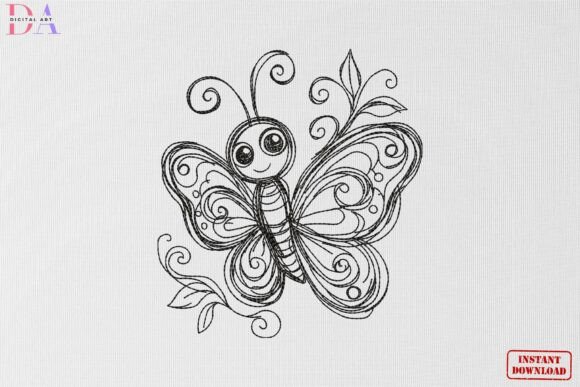
Cute Butterfly Sketch Nature Art
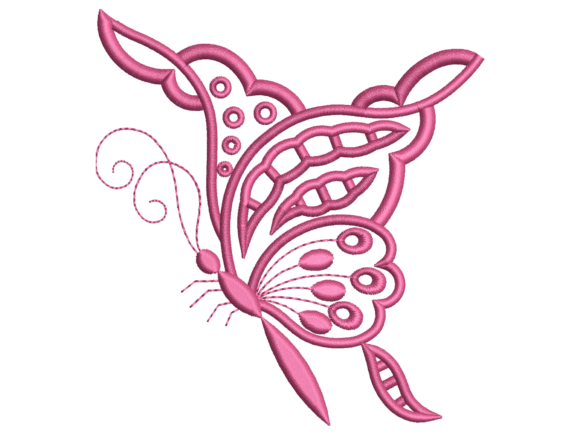
As an embroidery designer who has spent years translating digital concepts into tangible thread work, I approach every new design file with a critical eye. We are not just looking for pretty pictures; we are looking for viable assets that can elevate small business merch, create cohesive brand identities, and drive sales for boutique owners. Today, I am reviewing the Cute Butterfly Sketch Nature Art design. This piece is marketed toward embroidery lovers, handmade craft creators, sewing enthusiasts, and boutique businesses. It promises an adorable butterfly sketch featuring elegant hand-drawn elements. But does it hold up under the scrutiny of commercial production? Let’s dive into the practical realities of using this machine embroidery design for branded merchandise.
First Impressions: Visual Personality and Brand Fit
The title Cute Butterfly Sketch Nature Art immediately sets a specific tone. In the world of brand identity, tone is everything. This design does not scream corporate rigidity or high-fashion minimalism. Instead, it whispers creativity, warmth, and approachability. The "sketch" aspect suggests a rustic, handmade quality that resonates deeply with customers who value artisanal craftsmanship. For a small café, a local florist, or a pet brand, this aesthetic builds immediate trust. It feels premium yet accessible.
When I first visualize this as an embroidered patch, I see potential for a soft, organic feel. The elegant hand-drawn lines imply that the stitch work should mimic the fluidity of a pencil or ink stroke. This is crucial for maintaining the handmade product vibe. If the digitization is too stiff or geometric, the magic is lost. However, if executed well, the design offers a playful elegance that works beautifully for customer gifts, event merch, and Etsy branding. It bridges the gap between decorative art and functional branding.
Real-World Business Applications
Where does this digital embroidery file truly shine in a commercial setting? The versatility of a nature-themed sketch allows it to be applied across various touchpoints in a small business ecosystem.
- Embroidered Patches: This is perhaps the strongest use case. A cute butterfly sketch translates exceptionally well onto iron-on or sew-on patches. These can be used as uniform accents for staff at a boutique flower shop or as collectible items sold alongside main products.
- Apron Embroidery: For bakeries, cafes, or craft studios, aprons are walking billboards. Placing this design on the chest pocket or lower hem adds a touch of personality without overwhelming the garment. It signals to the customer that care and attention to detail go into every interaction.
- Tote Bag Design: Canvas tote bags are staples for creative professionals. The natural theme of the butterfly complements the eco-friendly connotation of reusable bags. It serves as a subtle logo placement that enhances visual consistency without being overly aggressive.
- Cap Embroidery: On structured caps, a smaller version of the sketch can serve as a focal point. It works particularly well for outdoor brands, gardening supplies, or summer-themed merchandise collections.
- Product Packaging Accents: Beyond apparel, consider using this design on hang tags, thank-you cards, or fabric labels attached to your goods. It reinforces the brand identity at the moment of unboxing, increasing perceived value.
Strategic Considerations and Limitations
While the aesthetic appeal is high, an experienced designer must also identify where this design might struggle. Not every surface or application is suitable for intricate sketch-style artwork.
One area requiring caution is small patch sizes. If you intend to produce tiny lapel pins or miniature badges, the delicate lines of a sketch design may merge together, losing definition. Similarly, on curved surfaces like the front of a baseball cap, complex outlines can distort if the hoop stability isn't perfect. You must inspect spacing carefully to ensure the negative space remains visible.
Another challenge is stitch density. Sketch designs often rely on varying thread directions to simulate shading. If the density is too high, the fabric may pucker, especially on lightweight materials. Conversely, if it is too low, the underlying fabric color might show through, ruining the contrast. This is particularly risky on dark uniforms unless a dense underlay or specific thread colors are chosen to mask the base material.
Furthermore, consider the maintenance of the final product. Items that require frequent washing, such as staff custom apparel or kitchen aprons, need durable designs. While butterflies are generally simple shapes, the "sketch" effect might involve many directional stitches that could wear down faster than solid fill areas. Always test for durability before mass production.
Impact on Brand Identity and Customer Trust
Incorporating Cute Butterfly Sketch Nature Art into your commercial embroidery projects does more than just decorate; it communicates values. Customers today connect with brands that feel authentic. A hand-drawn style suggests that real humans made the product, fostering a deeper emotional connection. This can directly influence buyer engagement and repeat purchases.
When a customer sees consistent, high-quality embroidery on your merchandise, it elevates the perceived value of your entire product line. It signals professionalism. A sloppy stitch job can undermine even the best product, but a clean, well-digitized sketch design enhances the finished product’s prestige. It tells the buyer that you pay attention to details, which builds long-term trust.
Practical Designer Notes for Production
Before you upload this file to your embroidery machine or send it to a manufacturer, follow these essential steps to ensure success:
- Test in Black and White: Convert the design to grayscale first. This helps you evaluate the balance of light and dark areas without the distraction of color. Ensure there is enough contrast for the sketch lines to stand out.
- Check Small Scale Performance: Zoom out or print the design at actual size (e.g., 2 inches wide). Can you still distinguish the wings and antennae? If it looks like a blob, you may need to simplify the digitization.
- Review Thread Color Contrast: Choose threads that complement the fabric. For a sketch look, tonal threads (slightly lighter or darker than the fabric) often work better than stark contrasting colors, which can look harsh.
- Confirm Hoop Size: Ensure your hooping area accommodates the design dimensions plus any necessary margin for stabilizer attachment.
- Test on Real Fabric: Never trust a digital mockup alone. Stitch the design on the exact fabric you plan to use. Check for puckering, thread breaks, and how the fabric texture interacts with the stitches.
- Use Proper Stabilizer: Sketch designs often require cut-away stabilizers to prevent distortion, especially on knits or stretchy materials.
- Create a Printable Mockup: Before committing to bulk production, generate a printable mockup to present to clients or stakeholders for approval. This visualizes the final outcome effectively.
- Compare Design Assets: Place this design beside your other logos and graphics. Does it fit the overall aesthetic? Consistency is key for strong branding.
- Confirm Commercial Licensing: Most importantly, verify the usage rights. Ensure you have the legal right to sell products embroidered with this design. Do not assume permission based on the description alone.
The Cute Butterfly Sketch Nature Art is a charming addition to any design assets library, particularly for those in the creative, lifestyle, or handmade sectors. By understanding its strengths and limitations, you can leverage this embroidery file to create memorable, high-quality merchandise that resonates with your audience. Just remember: great embroidery starts with careful planning and rigorous testing.