Cute Panda Kawaii with Watermelon Embroidery Review
As an embroidery designer who spends weekends navigating the chaos of craft fairs and handmade markets, I have learned that a design’s success is rarely just about how it looks in a digital preview. It is about how it performs under the bright lights of a booth, how it feels in a customer’s hands, and whether it translates well from hoop to finished product. Today, I am reviewing the Cute Panda Kawaii with Watermelon machine embroidery design to see if it has the potential to become a bestseller for boutique makers, Etsy sellers, and small shop owners.
First Impressions: A Summer Staple
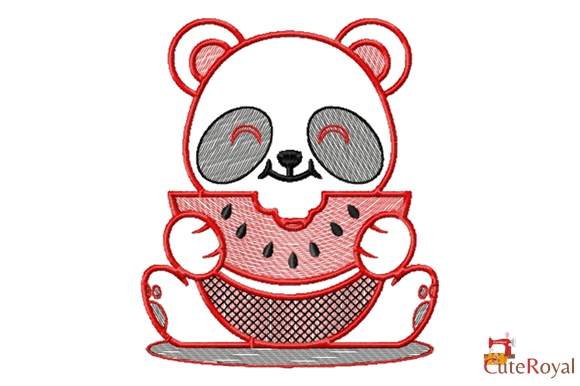
The moment you look at the Cute Panda Kawaii with Watermelon design, the aesthetic is clear. It leans heavily into the "kawaii" style—sweet, simple, and undeniably cute. The clean outline line art style suggests a modern, minimalist approach that avoids visual clutter. For a craft fair seller, this is crucial. When customers are walking past dozens of booths, they need to grasp the charm of a product in seconds. This design delivers immediate visual appeal without requiring close inspection to understand the subject matter.
The combination of a panda and watermelon evokes strong summer vibes. It feels fresh, playful, and seasonal. While pandas can sometimes feel generic, pairing them with watermelon gives the embroidery file a specific narrative context. It screams "summer festival," "picnic," or "refreshing treat." This thematic clarity helps in marketing; you aren’t just selling a panda; you are selling a mood. For Baby Animals enthusiasts and fans of Embroidery art alike, this crossover appeal broadens your potential customer base significantly.
Product Versatility: Where Does It Shine?
In my experience, the most profitable designs are those that work across multiple product categories. The Cute Panda Kawaii with Watermelon design is highly versatile, making it an excellent candidate for a diverse inventory. Here is how I see it performing on key craft fair staples:
- Tote Bag Design: Canvas tote bags are the bread and butter of market sales. The clean lines of this design will pop beautifully against natural canvas, denim blue, or soft pastel fabrics. It serves as a perfect focal point on the front panel of a bag, offering a cheerful accessory that shoppers love for farmers' markets or beach trips.
- Apron Embroidery: Kitchen aprons are a high-demand item. Placing the panda and watermelon motif near the pocket or centered on the bib adds a touch of whimsy to home décor. The outline style ensures it doesn’t overwhelm the garment, keeping it suitable for both professional chefs and home bakers who want personality in their kitchen.
- Tea Towel Embroidery: Linen or cotton tea towels are low-cost impulse buys. This design works exceptionally well here because the simple lines reproduce clearly even on textured fabrics. It elevates a basic household item into a giftable handmade product.
- Embroidered Patch: Converting this design into a patch allows for immense flexibility. You can sew patches onto denim jackets, backpacks, or hats. The bold outline makes it easy to digitize as a patch with a sturdy edge, ensuring durability after washing.
- Caps and Headwear: Curved surfaces present a challenge, but a compact, centered design like this one fits well on the front of baseball caps or beanies. The kawaii aesthetic resonates strongly with younger demographics who frequent these stalls.
- Fabric Pouches and Small Goods: For smaller price points, embroidered zippered pouches or pencil cases featuring this design are great entry-level items. They allow customers to own a piece of your brand without a significant financial commitment.
Production Practicality and Quality Control
Before committing to batch production for a weekend market, a professional must evaluate the technical aspects of the digital embroidery file. The clean outline line art style of the Cute Panda Kawaii with Watermelon design generally implies lower stitch counts compared to complex realistic portraits, which means faster hooping and higher profit margins per hour. However, there are critical factors to consider.
Stitch Density and Detail: Because the design relies on outlines, clarity is paramount. If the lines are too thin or the spacing between elements is tight, the design may lose definition when stitched on thicker fabrics like heavy denim or terry cloth tea towels. I always advise testing the design on scrap fabric that matches your final product material. Check the stitch density to ensure the threads do not pucker the fabric, especially around the curves of the watermelon slice.
Hoop Size and Placement: Confirm the recommended hoop size for this file. A design that is too large may require expensive stabilizers or multiple re-hoops, slowing down your production line. Ideally, you want a size that fits comfortably within standard 4x4 or 5x7 hoops for maximum efficiency. If the design includes tiny details, ensure they remain visible at the intended scale. Tiny features often get lost in the stitching process, turning a cute panda into a blurry shape.
Thread Colors and Contrast: The success of an outline design depends heavily on thread contrast. If you are embroidering on dark fabric, you will need a light-colored thread (white or cream) to make the lines stand out. Conversely, on light fabrics, darker threads provide better visibility. Always compare your chosen thread colors against your fabric swatches before starting a full run. Mismatched contrast is a common reason for returns or disappointed customers.
Marketing and Visual Appeal
For Etsy sellers and online boutiques, photography is everything. The Cute Panda Kawaii with Watermelon design is photogenic. Its bright, summery theme lends itself well to lifestyle mockups. Imagine the design on a tote bag next to a basket of fresh fruit, or on an apron in a sunlit kitchen. These scenarios help buyers visualize the product in their own lives, increasing conversion rates.
Creating a printable mockup using this design allows you to showcase versatility before you even buy the physical products. Show the design on a pillow cover, a cap, and a tea towel in the same listing. This demonstrates value and encourages customers to buy multiple items. Furthermore, the "cute" factor drives engagement on social media platforms like Instagram and Pinterest. Designs that evoke positive emotions are more likely to be shared, providing free organic marketing for your shop.
Essential Designer Notes for Success
To ensure your craft fair product stands out for all the right reasons, follow these practical steps:
- Test on Scrap Fabric: Never skip this step. Different fabrics react differently to stitching. Test on the exact fabric you plan to sell to check for puckering, thread breaks, or color bleeding.
- Use the Right Stabilizer: Depending on the fabric weight, choose between cut-away or tear-away stabilizers. A stable foundation prevents distortion, ensuring your finished product looks premium.
- Inspect Stitch Density: Look closely at the digitization. Are there any areas where stitches might overlap excessively? Ensure the design flows logically to minimize trimming and jumping.
- Create Real Mockups: Produce at least one real sample of each product type. Photograph it in natural light. This authentic image builds trust with buyers more than a computer-generated graphic ever could.
- Confirm Commercial Licensing: Before selling any commercial embroidery goods, verify that your license permits commercial use. Protect your business by understanding the terms associated with your design assets.
The Cute Panda Kawaii with Watermelon design offers a charming, versatile, and commercially viable option for artisans looking to expand their inventory. By focusing on quality execution, smart product placement, and effective storytelling, you can turn this sweet design into a standout hit at your next craft fair or online store. Remember, the goal is not just to sell a product, but to deliver a delightful experience that keeps customers coming back to your booth.