Cute Baby Lamb Applique Review
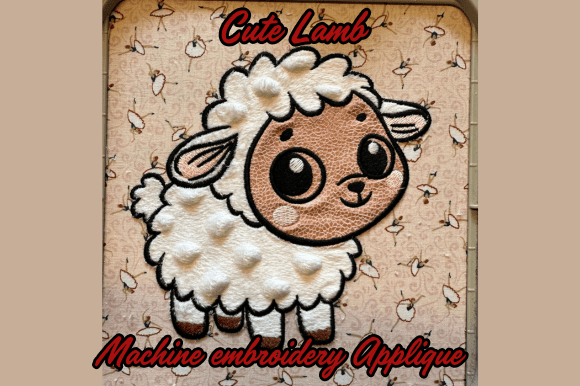
As an embroidery designer who spends weekends setting up booths at local craft fairs and managing an online handmade shop, I have learned one hard truth: customers buy with their eyes before they ever ask about the price. When I first looked at the Cute Baby Lamb Applique, my immediate reaction was a mix of nostalgia and commercial potential. It is not just another generic animal design; it has that specific "soft" quality that stops scrollers on Etsy and catches the light in a bustling market tent.
I am reviewing this machine embroidery design specifically for its viability as a craft fair product. The description highlights "soft, clean lines" and a "friendly character," which are exactly the traits that translate well into physical goods. Below is my professional breakdown of how this embroidery file performs when turned into tangible items, along with practical advice for production.
First Impressions and Visual Appeal
The moment you see the Cute Baby Lamb Applique, it feels approachable. In the world of Baby Animals embroidery, there is a fine line between "cluttered and chaotic" and "minimalist and premium." This design sits comfortably in the latter category. The clean lines suggest that the stitch work is likely optimized for clarity, meaning it won’t look muddy when stitched out at smaller sizes—a common issue with complex applique designs.
For a booth display, visual hierarchy is everything. This lamb acts as a strong focal point without overwhelming the garment or accessory it is placed on. Whether used on a white cotton tote bag or a pastel apron, the friendly character draws the eye. It feels rustic yet modern, making it versatile enough for farmhouse-style decor lovers and trendy boutique shoppers alike. If your brand leans toward soft, neutral palettes, this design asset will integrate seamlessly. If you are going for bold, bright aesthetics, the clean outlines allow it to pop against contrasting backgrounds.
Product Versatility: Where It Sells Best
In my experience, the success of a handmade product often depends on where the design is applied. Here is how the Cute Baby Lamb Applique translates across different categories:
- Tote Bags and Market Bags: This is arguably the highest-selling item for weekend sellers. Placing the lamb centered on a canvas tote creates a classic, gift-worthy look. Because the design features clean lines, it photographs beautifully for online listings, reducing the need for heavy editing.
- Aprons and Tea Towels: Kitchen textiles are impulse buys at craft fairs. The apron embroidery potential here is high because the lamb adds a touch of whimsy to functional items. For tea towel embroidery, the design works well as a corner accent or a central medallion. The "soft" aesthetic aligns perfectly with the cozy kitchen vibe many buyers seek.
- Embroidered Patches: If the design allows for a clean edge, turning this into a detachable patch expands your market. Parents love adding these to backpacks, lunchboxes, or denim jackets. It transforms a simple item into a personalized keepsake.
- Caps and Headwear: Curved surfaces can be tricky, but a simple, friendly character like this lamb tends to hold up well on structured caps. It reads clearly from a distance, which is crucial for booth visibility.
- Pillow Covers and Small Pouches: These items offer higher price points due to the fabric cost and labor. The Cute Baby Lamb Applique elevates plain linen or cotton pillows, making them perfect nursery gifts. Small fabric pouches for diapers or makeup also benefit from the compact nature of the design.
Production Practicality and Batch Efficiency
For any Etsy seller or small business owner, time is money. A design that takes twenty minutes to hoop and stitch is not scalable. Based on the description of "clean lines," I anticipate that this digital embroidery file is optimized for efficiency. Clean lines usually mean fewer color changes and less trimming, which speeds up production.
When preparing for a craft fair, you want designs that feel repeatable. The Cute Baby Lamb Applique has a charm that encourages repetition. Buyers often purchase multiple items—a matching set of a mug rug, a coaster, and a tote. The design’s simplicity ensures that even if produced in batches, each piece looks consistent and professional. This consistency builds brand trust and encourages return customers.
Photography and Online Presentation
In the digital age, your printable mockup is your storefront. This design photographs exceptionally well because it relies on shape and contrast rather than intricate, tiny details that might get lost in low-resolution images. When creating your listing photos, focus on natural lighting to highlight the texture of the thread. The "friendly character" of the lamb invites interaction; consider showing it being held by a child or placed next to baby items to evoke emotion. Emotional connection drives sales in the handmade sector.
Technical Considerations and Careful Use Notes
Before committing to mass production, every experienced designer knows the importance of testing. While the description promises beauty, real-world results depend on execution. Here are critical technical checks:
- Stitch Density: Check the density of the fill stitches. If the lamb has large solid areas, ensure the stabilizer matches the fabric weight. On stretchy knit fabrics (like some baby clothes), a cut-away stabilizer is non-negotiable to prevent puckering.
- Thread Contrast: The design’s appeal relies on its clean lines. Test various thread colors against your target fabrics. White thread on cream fabric may lose definition, while black thread on dark denim might blend in too much. High contrast usually yields the best retail results.
- Hoop Size and Placement: Confirm the recommended hoop size before starting. Ensure your sewing machine can accommodate the design dimensions without requiring re-hooping, which can misalign the pattern. For items like aprons, plan the placement carefully so the lamb sits correctly relative to pockets or ties.
- Fabric Texture: Avoid highly textured fabrics like heavy burlap or thick terry cloth for initial tests. The smooth surface of cotton or canvas will show off the "soft, clean lines" described in the product info. As you gain confidence, you can experiment with blends, but start simple.
- Small Details: Inspect the design for any tiny elements that might disappear if stitched too small. If you plan to scale the design down for patches or accessories, zoom in on the digital preview. If details become indistinguishable, keep the minimum size larger to maintain quality.
Final Verdict for Craft Fair Sellers
The Cute Baby Lamb Applique is a strong candidate for both commercial embroidery ventures and personal creative projects. It hits the sweet spot of being visually appealing, technically straightforward, and emotionally resonant. For the small shop product portfolio, it offers versatility across multiple categories, from home decor to apparel.
To maximize its potential, treat it as a core design asset. Create a cohesive collection using this lamb alongside complementary elements (like clouds, flowers, or stars) to increase the perceived value of your booth or shop. Always inspect the final finished product for loose threads and stability before selling. With proper preparation, this design can be a standout winner at your next craft fair or a top-seller in your digital downloads.
Remember, the magic of handmade lies in the details. By choosing a design with clear lines and a friendly heart, you are giving your customers something they will cherish. Test your samples, check your stabilizer choices, and let the quality of your stitching speak for itself.