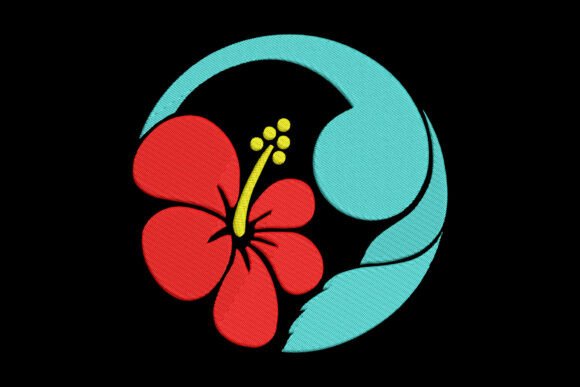
Tropical Hibiscus Flower Embroidery Review
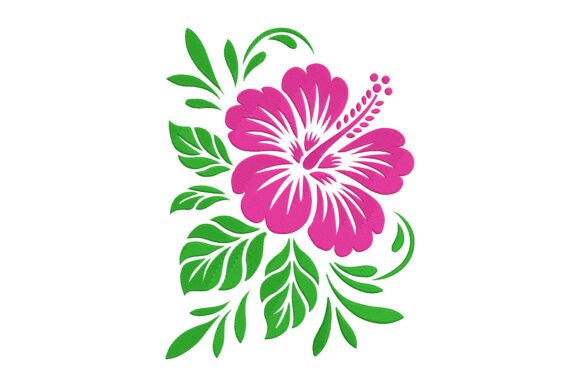
In the world of small business branding, visual consistency is everything. As an embroidery designer who has spent years turning digital concepts into tangible merchandise for boutiques, cafes, and creative studios, I know that selecting the right design asset can make or break a product line. Today, I am reviewing the Tropical Hibiscus Flower machine embroidery design. This piece falls under the Single Flowers category within the broader scope of commercial embroidery, offering a distinct aesthetic that promises to bring elegance to your projects.
The description highlights its suitability for hoop embroidery, t-shirts, tote bags, cushions, and table linens. But does it hold up when scaled down for branded patches or stitched onto workwear? Let’s dive into a professional evaluation focused on business application, brand identity, and production viability.
First Impressions: Visual Personality and Brand Fit
When you first load the Tropical Hibiscus Flower embroidery file, the immediate takeaway is one of refined vibrancy. Unlike generic floral patterns that can feel cluttered or dated, this design strikes a balance between bold tropical energy and sophisticated simplicity. For a small business owner, this versatility is crucial. It feels premium enough for a high-end florist’s packaging but playful enough for a summer pop-up shop.
The design exudes a friendly yet professional vibe. It avoids being overly rustic or strictly corporate, landing squarely in the "modern handmade" sweet spot. This makes it an excellent choice for brands that want to communicate warmth and quality simultaneously. Whether you are creating custom apparel for staff or crafting customer gifts, the hibiscus motif naturally suggests growth, beauty, and natural elegance—values that resonate deeply with consumers today.
Real-World Business Applications
A beautiful design is only useful if it translates well across various merchandise types. Here is how the Tropical Hibiscus Flower performs in real-world commercial scenarios:
- Embroidered Patches: One of the most popular uses for single-flower designs is the creation of iron-on or sew-on patches. The clean lines of the hibiscus allow it to remain legible even when reduced in size. These patches can serve as subtle branding on denim jackets, backpacks, or uniform caps, adding a touch of personality without overwhelming the garment.
- Staff Uniforms and Aprons: For café owners or bakery managers, the Tropical Hibiscus Flower works beautifully as a chest logo accent. On a white apron, it pops with color; on navy or black uniforms, it provides a striking contrast. It elevates standard workwear from utilitarian to branded experience, helping staff feel like part of a cohesive team.
- Tote Bags and Product Packaging: Tote bags are essentially walking billboards. Stitching this design centrally or off-center on a canvas tote creates an instant tote bag design that customers will want to carry again. Furthermore, using smaller iterations of the flower on product tags or hangtags adds a tactile element that enhances perceived value.
- Caps and Headwear: Cap embroidery requires precision. The organic shape of the hibiscus fits naturally on the curved front panel of a cap. It softens the structure of the hat while maintaining a strong visual anchor. This is particularly effective for beach-themed brands, surf shops, or lifestyle boutiques.
- Etsy and Handmade Brand Assets: If you sell digital files or physical goods on platforms like Etsy, having a versatile design like this is key. It appeals to a wide demographic, from crafters looking for home decor accents to those seeking unique handmade product details.
Where Caution Is Required
While the Tropical Hibiscus Flower is robust, no design is universally perfect. There are specific contexts where you must exercise care:
- Small Patch Sizes: If you plan to use this design on very small patches (under 2 inches), ensure the stitch density is not too high. Tiny details may blur together if the resolution is insufficient.
- Curved Surfaces: When embroidering on items like sleeves or rounded bottle holders, the flat nature of the flower might distort slightly. Always test on the actual curved surface before full production runs.
- High Stitch Density Areas: Check the fill stitches. If the center of the flower is densely packed, it may create a stiff texture that is uncomfortable against the skin or unsuitable for delicate fabrics.
- Dark Uniforms and Textured Fabrics: On heavily textured fabrics like heavy wool or distressed denim, fine outlines may get lost. Ensure your thread colors provide enough contrast against the base material.
Impact on Brand Identity and Customer Trust
Investing in high-quality design assets directly influences customer perception. A well-executed embroidered logo signals attention to detail. When a customer sees the Tropical Hibiscus Flower stitched cleanly on a tote bag or apron, they subconsciously associate that craftsmanship with the quality of your core products.
This design supports brand identity by reinforcing themes of nature, elegance, and approachability. It helps build customer trust because it looks intentional and polished rather than rushed. In a market saturated with print-on-demand goods, hand-finished or machine-embroidered touches offer a competitive advantage. They suggest that you care about the unboxing experience and the longevity of your merchandise.
Practical Designer Notes for Production
Before committing to a large order, every serious embroidery designer should follow these best practices:
- Test in Black and White: Convert the design to monochrome to check the balance of negative space. Does the outline hold up? Are there gaps that might look messy?
- Check Hoop Size and Stability: Confirm the required hoop size matches your equipment. Ensure the design stabilizes well on your chosen fabric to prevent puckering.
- Thread Color Contrast: Experiment with different thread colors. While green leaves and red petals are classic, consider gold, silver, or pastel threads for a more modern twist depending on your brand palette.
- Use Proper Stabilizer: The choice of stabilizer (cut-away vs. tear-away) is critical, especially for stretchy knits like t-shirts or heavy denims. Incorrect stabilization leads to misalignment and poor finish.
- Create a Printable Mockup: Before cutting fabric, generate a printable mockup for client approval. This allows stakeholders to visualize the final result on actual merchandise without wasting resources.
- Commercial Licensing: Always verify the commercial licensing terms of the digital embroidery file. Ensure you have the right to sell finished goods featuring this design.
Finally, inspect the spacing and confirm the finished product looks balanced. Compare the Tropical Hibiscus Flower beside other design assets in your collection to ensure visual harmony across your entire brand ecosystem.
Final Verdict
The Tropical Hibiscus Flower is a versatile, elegant, and commercially viable addition to any embroidery library. Its ability to transition seamlessly from custom apparel to embroidered patches and table linen makes it a high-value asset for small businesses. By paying attention to technical details like stitch density and fabric compatibility, you can leverage this design to enhance your small business merch offerings and create memorable, professional-grade products.