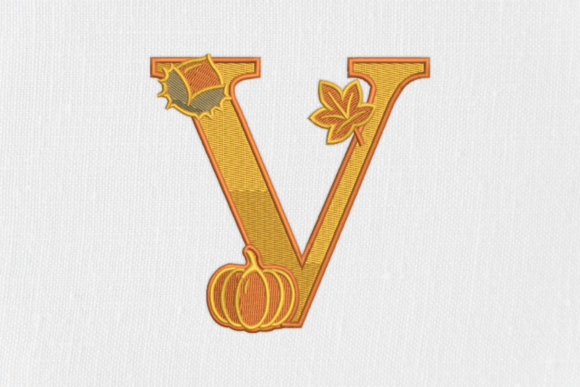
Letter V Autumn Monogram Review
As an embroidery designer who spends weekends hunched over a table at craft fairs, I have learned that the difference between a design that sits on the shelf and one that sells out by noon often comes down to three things: visual impact, production practicality, and market fit. When I first encountered the Letter V Autumn Monogram, my immediate reaction was one of cautious optimism. The description promises a captivating allure, combining autumn pumpkins and seeds with a striking composition. But does it translate from a digital preview to a physical product that catches the eye of a passerby in a crowded marketplace?
I approached this review with the mindset of a small shop owner preparing for a busy season. My goal is to determine if the Letter V Autumn Monogram is a viable asset for creating high-margin handmade products, or if it presents hidden pitfalls for the machine embroiderer.
First Impressions and Visual Appeal
The concept of integrating organic elements like pumpkins and seeds into a monogram structure is inherently strong for the fall market. In my experience, customers are drawn to designs that feel festive yet sophisticated. The Letter V Autumn Monogram appears to strike a balance between rustic charm and modern elegance. It is not overly cluttered, which is crucial for maintaining clarity when embroidered onto various surfaces.
From a branding perspective, this design feels premium. It suggests quality rather than mass production. For an Etsy seller or a boutique maker, this aesthetic aligns perfectly with the "farmhouse" and "modern rustic" trends that dominate seasonal searches. The inclusion of seeds adds a textural element that can mimic natural materials, enhancing the tactile appeal of the finished product. However, the success of this look depends entirely on execution. If the pumpkin details become muddy due to poor stitch density, the elegant allure will be lost. Therefore, the initial visual promise is high, but it requires careful attention to thread selection and fabric choice to realize its full potential.
Product Versatility and Market Fit
One of the strongest selling points of the Letter V Autumn Monogram is its adaptability across multiple crafter fair product categories. A versatile machine embroidery design allows you to maximize your return on investment by applying the same file to different items. Here is how I envision this design performing on specific products:
- Tote Bags: This is likely the highest-volume seller. A tote bag design featuring the Letter V monogram works beautifully as a focal point on the front panel or as a subtle accent on the side pocket. The sturdy canvas fabric provides a stable base, allowing the pumpkin and seed details to shine without distortion.
- Aprons and Tea Towels: For kitchen-focused gifts, this design excels. An apron embroidery placement on the bib area offers a professional look, while a tea towel embroidery design centered or slightly off-center adds a touch of warmth to any home. The autumnal theme resonates strongly with buyers looking for hostess gifts or holiday decor.
- Caps and Hats: Embroidering on curved surfaces is challenging, but the balanced composition of the Letter V helps mitigate distortion. If the design is scaled correctly to fit standard 5x7 or 4x4 hoops, it can create a standout embroidered patch effect on baseball caps or beanies.
- Pillow Covers and Pouches: These items benefit from the decorative nature of the design. The seeds and pumpkins add visual interest that elevates a plain pillow cover into a statement piece. Small pouches can use the design as a charming detail, appealing to buyers seeking affordable impulse buys.
The key here is consistency. By using the same design assets across these varied products, you create a cohesive brand identity that shoppers recognize instantly. This cohesion builds trust and encourages repeat purchases.
Photography and Online Presentation
In the digital age, your printable mockup is just as important as the physical item. The Letter V Autumn Monogram photographs well because of its clear lines and thematic color palette. Earthy tones like burnt orange, deep red, and mustard yellow will pop against neutral backgrounds like cream, beige, or navy blue. When creating listings, ensure that close-up shots highlight the texture of the stitches, particularly the seed details, to convey quality. A blurry image can make a good design look cheap, so invest time in getting sharp, well-lit photos that showcase the craftsmanship.
Production Practicalities and Technical Considerations
As a designer, I cannot stress enough the importance of testing before production. While the Letter V Autumn Monogram sounds promising, real-world application reveals nuances that digital previews miss. Here are critical factors to evaluate during your test runs:
Stitch Density and Detail Clarity
The description mentions "striking composition," which implies a certain level of detail. You must inspect the stitch density closely. Areas where the pumpkin shapes meet the letterform may require denser stitching to prevent the fabric from showing through. Conversely, tiny seed details might clump together if the density is too high, losing their individual definition. Test the design at various sizes to see where the clarity breaks down. If the design includes small lettering or intricate linework, ensure it remains legible even when digitized for smaller hoops.
Fabric and Stabilizer Selection
The choice of fabric drastically affects the final outcome. Textured towels, such as waffle weave or terry cloth, can obscure fine details. Smooth cottons or blends generally yield the crispest results. Always use the appropriate stabilizer for your project. Heavy-cutaway stabilizers are essential for stretchy fabrics like jersey or knit caps to prevent puckering. For woven fabrics like tote bags, tear-away or cut-away options depend on the desired finish and hoop size. Incorrect stabilizer choice is a common cause of failed productions, leading to wasted time and materials.
Thread Contrast and Color Palette
Thread contrast is vital for readability. Dark fabrics require light, vibrant threads, while light fabrics benefit from rich, saturated colors. Experiment with metallic or variegated threads sparingly; they can add luxury but may distract from the intricate seed and pumpkin details. Stick to solid threads for the main body of the design to ensure the pattern remains clear. Always check your thread colors against your fabric swatches under natural lighting to avoid unexpected clashes.
Hoop Size and Layout
Confirm the required hoop size before starting. Designs that exceed standard hoop dimensions may require multi-hooping, which increases production time and the risk of misalignment. If the Letter V Autumn Monogram fits comfortably within a 5x7 inch hoop, it offers the most flexibility for batch production. Larger designs may limit your product options to bigger items like duvet covers or large wall hangings, which have a smaller market niche.
Final Verdict for Craft Fair Sellers
The Letter V Autumn Monogram holds significant potential for commercial embroidery ventures, particularly for those targeting the fall and holiday markets. Its blend of rustic elements and monogram elegance appeals to a broad audience, from young homeowners to gift shoppers. However, its success hinges on meticulous preparation.
To maximize sales, treat this as a core part of your small shop product lineup. Create a range of items—from affordable tea towels to premium tote bags—using consistent branding. Invest in high-quality mockups to attract online traffic, and prioritize flawless execution in your booth displays. Remember to verify all licensing terms before selling finished goods, ensuring you have the right to use the digital embroidery file for commercial purposes.
By addressing technical challenges like stitch density and fabric compatibility upfront, you can transform this design into a reliable revenue stream. The Letter V Autumn Monogram is not just a pattern; it is a tool for building a recognizable, profitable handmade brand. Test thoroughly, produce consistently, and let the quality of your work speak for itself.