Kitchen Shelf Frame Embroidery Review
As an embroidery designer who spends countless hours digitizing, testing, and refining designs for both personal projects and commercial clients, I am always on the lookout for assets that offer genuine value. When browsing Creative Fabrica embroidery collections, it is easy to get lost in a sea of generic clipart-style graphics. However, recently I came across a design titled Kitchen Shelf Frame, and I decided to put it through its paces before recommending it to my network of fellow crafters and small business owners.
This review is not just about aesthetics; it is about practical application. If you are an Etsy seller, a boutique owner, or a crafter looking to add unique touches to your handmade products, understanding how a specific embroidery file performs in real-world conditions is crucial. Here is my honest evaluation of the Kitchen Shelf Frame design after considering it for various project types.
First Impressions and Visual Mood
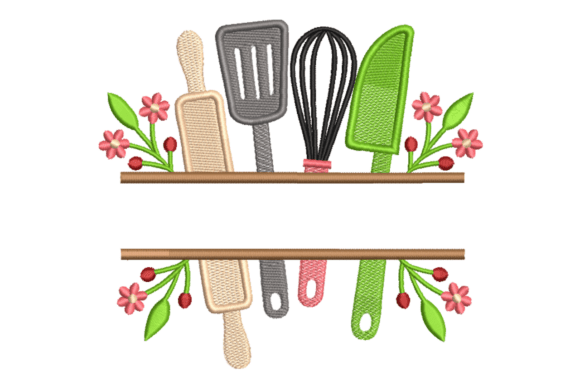
The first thing that strikes you about the Kitchen Shelf Frame is its structural integrity and visual balance. Unlike some frame designs that feel cluttered or overly ornate, this design carries a clean, organized aesthetic. It evokes a sense of rustic charm mixed with modern simplicity, making it highly versatile. The visual mood is warm and inviting, which naturally aligns well with home decor themes.
From a designer’s perspective, the line work appears precise. This is vital because sloppy outlines often translate into messy stitches during the machine embroidery process. The design seems to rely heavily on clean lines and defined borders, suggesting that it will stitch up neatly on a variety of fabrics. It has a decorative appeal that feels substantial without being overwhelming, allowing space for personalization if you choose to add text or smaller accents within the frame.
Project Versatility: Where Does It Fit?
One of the strongest selling points of this machine embroidery design is its adaptability. While the name suggests a strict association with the kitchen, its utility extends far beyond that single room. I have identified several high-potential applications for this design:
- Kitchen Textiles: Naturally, this fits perfectly on kitchen towels, aprons, and oven mitts. The frame can serve as a border for recipe names or family mottos, adding a personalized touch to functional items.
- Tote Bag Design: For those creating canvas tote bags, this frame offers a structured focal point. It works beautifully centered on the front panel or repeated along the sides for a patterned look.
- Sweatshirt Embroidery: On heavier cotton blends, the frame adds a cozy, cottage-core vibe. It pairs exceptionally well with simple typography placed inside the frame boundaries.
- Nursery Decor and Baby Items: Surprisingly, the soft lines of the shelf frame translate well to baby blankets and nursery wall hangings. It can hold names, dates, or small motifs like clouds or stars, making it a strong contender for personalized gift markets.
- Custom Apparel and Caps: For cap embroidery, the curved nature of the frame needs careful consideration (more on this below), but on flat panels of sweatshirts or jackets, it serves as an excellent branded logo container.
- Embroidered Patch: The distinct border makes this design ideal for converting into a patch. You can easily add a backing adhesive and use it to customize denim jackets, backpacks, or beanies.
Practical Performance and Technical Considerations
While the visual potential is clear, the true test lies in the stitching execution. As professionals, we know that a beautiful digital image does not always guarantee a beautiful stitched result. Here are the practical aspects to keep in mind when using the Kitchen Shelf Frame.
Stitch Density and Detail
Frame designs often suffer from issues related to stitch density. If the borders are too thin, they may break or pucker. If they are too dense, the fabric may become stiff and unmanageable. Based on the visual complexity of the Kitchen Shelf Frame, it appears to utilize a mix of satin stitch for the outer borders and potentially fill stitch or running stitch for interior details. This combination usually results in a crisp edge that holds its shape well.
However, you must inspect the small details after stitching. Fine lines in frame corners can sometimes merge together if the thread tension is off or if the stabilizer is insufficient. Always run a test stitch to ensure that the intricate parts of the frame remain distinct and do not bleed into one another.
Hoop Size and Fabric Compatibility
The physical dimensions of the design matter immensely. Before purchasing or downloading, check the specified hoop size on the Creative Fabrica product page. If the frame is large, it may require a multi-hooping technique, which increases production time and the risk of alignment errors. For smaller hoop sizes, the design might lose some of its detail, so ensure the resolution is sufficient for your intended output.
Fabric choice is equally critical. This design performs best on stable, woven fabrics such as cotton, linen, or canvas. Avoid using it on highly stretchy knits unless you use a heavy-duty cut-away stabilizer. On stretchy fabric, the rigid structure of a frame design can cause puckering as the fabric moves under the needle. Similarly, while it can be used on dark fabric, pay close attention to thread colors. A light-colored frame on dark fabric requires high contrast to be visible, whereas a dark frame on light fabric offers a classic, sharp look.
Curved Surfaces and Patches
If you plan to embroider this onto caps or curved surfaces, be cautious. Flat frame designs do not automatically conform to curves. You may need to adjust the hooping strategy or use specialized curved hoops to prevent distortion. For embroidered patches, the design is likely more forgiving since patches are often applied to flat surfaces after creation, but ensure the edge finish is clean to prevent fraying.
Impact on Product Value and Branding
In the world of handmade goods, presentation is everything. Using a cohesive design like the Kitchen Shelf Frame can significantly enhance your handmade product appeal. Consistency in design elements helps build brand recognition. If you specialize in kitchen goods, having a signature frame style allows customers to instantly identify your work.
Furthermore, this design aids in product photography. The structured nature of the frame provides a natural focal point for photoshoots, making it easier to showcase the quality of your stitching. It also enhances giftability; a framed monogram or date looks thoughtful and professional, increasing the perceived value of the item. Buyers trust brands that demonstrate attention to detail, and a well-executed commercial embroidery job signals professionalism.
Final Recommendations for Creators
Before integrating the Kitchen Shelf Frame into your production workflow, I recommend taking the following steps:
- Test on Scrap Fabric: Never go straight to your final material. Stitch the design on scraps of the same fabric type to check for puckering, thread breaks, or color bleeding.
- Check File Details: Verify the digital embroidery file formats compatibility with your machine software. Ensure you understand the licensing terms regarding commercial embroidery rights.
- Review Mockups: Use printable mockups to visualize the design on different products. Compare how it looks on a tote bag versus a pillow cover to determine its versatility.
- Inspect Stabilizer Usage: Depending on the fabric weight, you may need a tear-away or cut-away stabilizer. Proper stabilization is key to maintaining the sharp lines of the frame.
- Confirm Licensing: Always double-check the specific license agreement on the Creative Fabrica product page to ensure you are compliant when selling finished items.
In conclusion, the Kitchen Shelf Frame is a solid addition to any design assets library. It offers a blend of aesthetic charm and practical utility that appeals to a wide range of buyers. By paying attention to technical details like stitch density and fabric choice, you can transform this simple frame into a high-value component of your finished product lineup. It is a trustworthy choice for designers looking to elevate their custom apparel and home decor offerings with a touch of elegant simplicity.